
Choosing the best tablet for students in 2026 is no longer just about performance, but about how well it supports studying, note-taking and daily productivity. This guide from AU Toplist highlights the most reliable options based on real academic needs, helping students pick the right device with confidence.
How we evaluate the best tablet for students
We assess the best tablet for students using real academic scenarios rather than promotional specifications. This includes testing performance during multitasking, online lectures, document editing, and study app usage to ensure smooth and stable operation in daily learning environments.
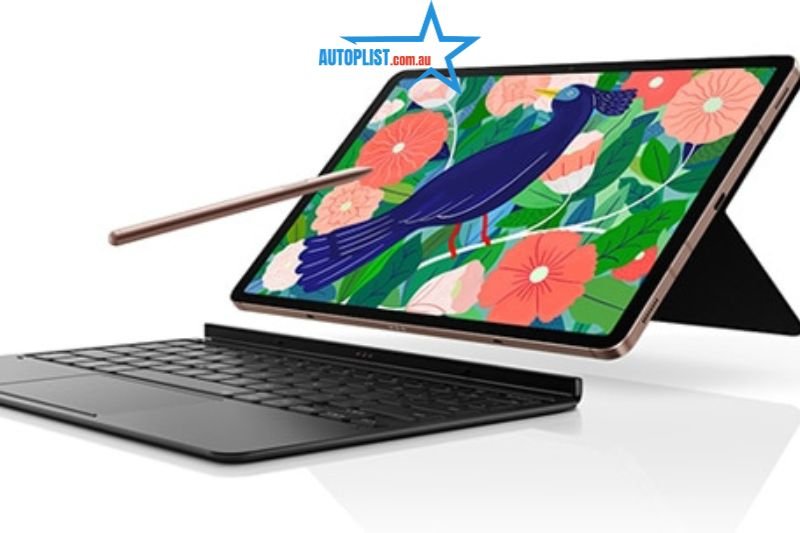
We also prioritise practical study-focused criteria such as stylus precision for note-taking and diagrams, battery endurance for full school days, portability for commuting, and overall value for money so students can choose a device that truly fits their academic needs.
How to choose the right tablet for students
Choosing the right device can significantly improve study efficiency and daily productivity for students. The best option depends on how you balance performance, budget and learning needs.
- Budget ranges including entry level, mid range and premium options
- Importance of stylus support and keyboard compatibility for studying and note taking
- Storage requirements for lecture notes, textbooks and learning apps
- Operating systems comparison including iPadOS, Android and Windows for different study needs
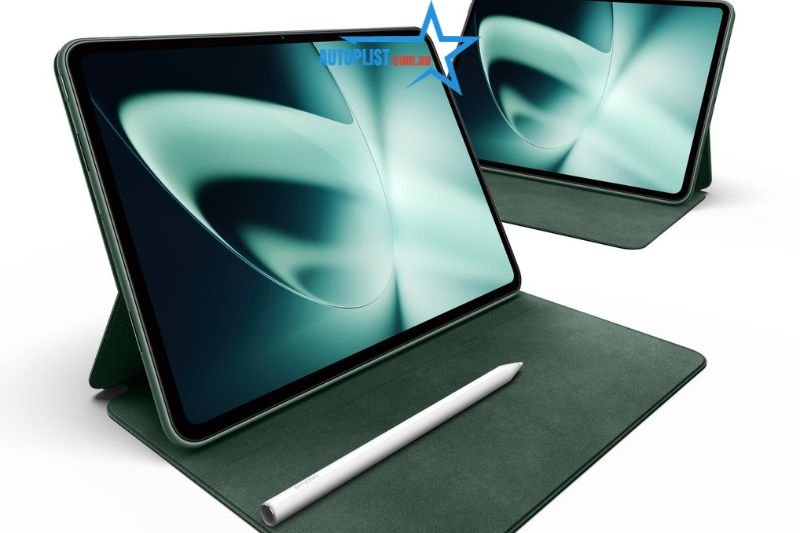
iPad vs Android vs Windows tablets for students
Different operating systems offer distinct advantages depending on study needs, budget, and productivity requirements. The table below helps compare them clearly so students can make the right choice.
|
Platform |
Strengths |
Best suited for |
|
iPadOS |
Smooth performance, strong stylus support, high-quality study apps |
Note taking, creative study, stable learning experience |
|
Android |
Flexible pricing, wide device range, high customisation |
Budget-friendly students, general study use |
|
Windows |
Full desktop software support, strong multitasking ability |
Heavy productivity, laptop replacement, advanced tasks |
Best tablets for students in 2026 expert picks
Below are the top recommended tablets for students in 2026, selected based on performance, note taking experience, battery life, and overall study value. Each option fits a different learning need and budget level.
|
Product |
Strengths |
Best for |
|
Apple iPad Air (M2) |
Strong performance, excellent stylus support, stable apps |
Overall study use and note taking |
|
Samsung Galaxy Tab S9 FE |
Good display, S Pen included, balanced price |
Affordable Android study tablet |
|
Lenovo Tab P12 |
Large screen, good battery life, productivity focused |
Reading and multitasking |
|
Microsoft Surface Pro 11 |
Full Windows experience, laptop replacement ability |
Heavy productivity and advanced tasks |
|
Xiaomi Pad 7 |
Budget friendly, solid performance for basic study use |
Students on a tight budget |
Real student use cases and performance insights
Understanding how a tablet performs in real academic situations is more important than looking at specs alone. The following use cases show how students typically apply tablets in daily study routines.
- Online learning and video lectures: Students use tablets to attend virtual classes, watch recorded lectures, and participate in discussions with stable performance and clear display quality.
- Digital note taking and PDF annotation: Tablets are widely used for handwritten notes, highlighting textbooks, and annotating lecture slides, especially with stylus support.
- Group projects and productivity apps: Collaboration tools, cloud storage, and multitasking features help students manage group assignments and share work efficiently.
- Creative subjects design engineering media: For design-heavy courses, tablets support sketching, modelling, and creative software, making them useful for specialised academic fields.
Common mistakes when choosing a student tablet
Many students focus heavily on specs or brand names, but overlook how the device is actually used in daily study life. This often leads to choosing the best tablet for students that is not fully suitable for long-term academic needs.
Overpaying for unnecessary specifications
Many students choose high-end chips or large RAM that are not needed for note taking, reading PDFs, or online classes. This often wastes budget that could be used for more practical accessories. A mid-range tablet is usually enough for most study tasks and still runs smoothly for everyday use.
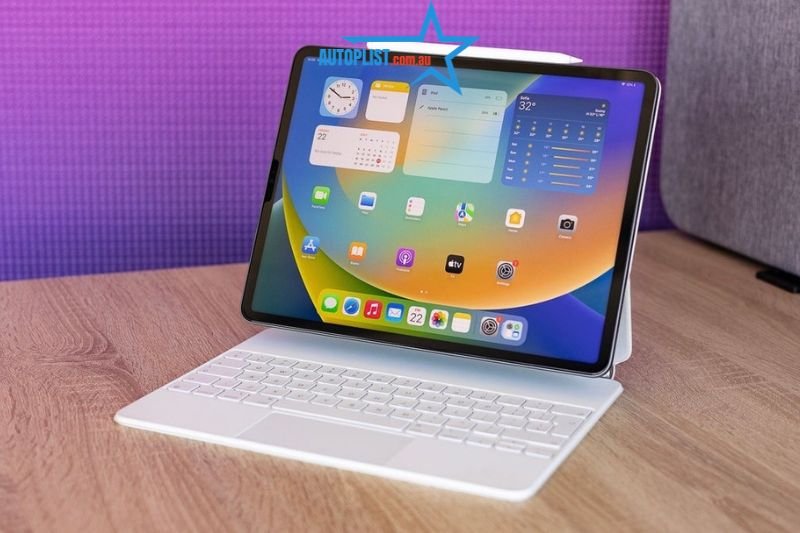
Ignoring stylus quality and input responsiveness
Stylus performance is crucial for handwritten notes and annotations. Poor latency or weak palm rejection can reduce accuracy and make studying less efficient during long writing sessions. This issue is often only noticed after using the device regularly in real study situations.
Choosing an unsuitable operating system for study requirements
Each operating system has different app support and workflow. Picking the wrong one can limit access to key study tools and reduce productivity due to compatibility issues, especially when switching between devices or platforms for group work and assignments.
Start your chance with Cheer giveaways for student
Join Cheer and explore the Giveaways section to try your luck with exciting opportunities like the Parramatta Giveaway, where you can win valuable prizes designed for students and professionals. These rewards include modern laptops and study-ready devices that support learning, productivity, and everyday work needs.

Conclusion
Choosing the best tablet for students depends on balancing performance, usability, and budget rather than focusing only on specs. When students understand their real study needs and avoid common mistakes, they can pick a device that supports learning effectively throughout their academic journey. This guide from AU Toplist helps make that decision easier with clear, practical recommendations.