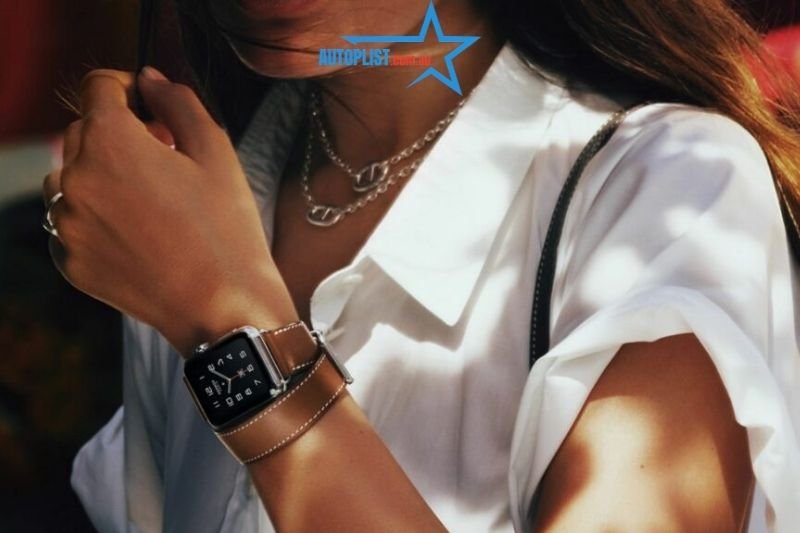
A long battery smartwatch is essential for users who need reliable performance without frequent charging. In this guide by AU Toplist, we highlight the best options built for long-lasting daily use, fitness tracking, and travel convenience.
What makes a long battery smartwatch different
A long battery smartwatch is not simply defined by a larger battery capacity, but by how efficiently the device manages energy during real-world use. This combination of hardware and software optimisation directly determines how long the watch can operate between charges.
- Battery capacity vs optimisation: Higher mAh helps extend usage time, but intelligent power management is often more important for real endurance
- Low-power chipsets and adaptive refresh rates: Modern processors and dynamic displays reduce energy consumption during light tasks and standby mode
- Operating system efficiency: Lightweight systems generally consume less background power compared to more feature-heavy platforms like Wear OS
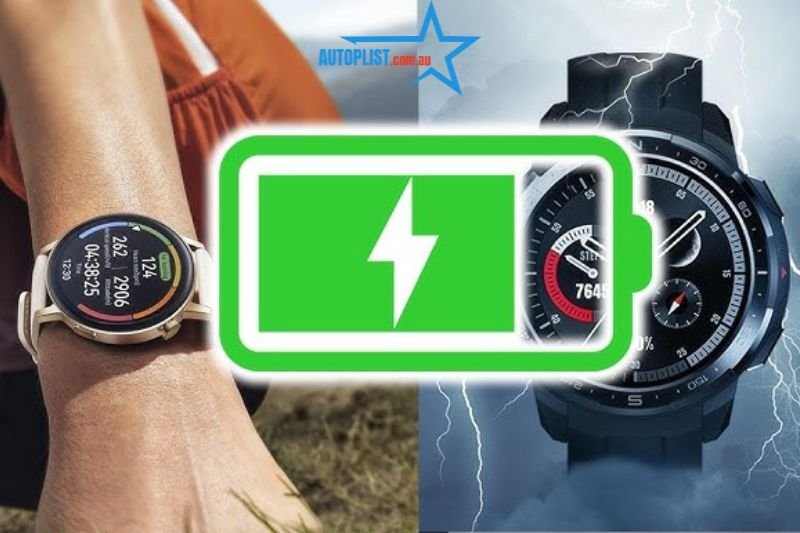
Expert testing methodology behind our evaluation
Each smartwatch is evaluated using a consistent and practical testing framework designed to reflect real user behaviour. The goal is to measure performance fairly across different usage conditions.
Real-world usage scenarios
We test smartwatches in everyday situations such as receiving calls, tracking workouts, using GPS navigation, and handling notifications. This helps assess how the device performs when used continuously throughout the day under mixed workloads.
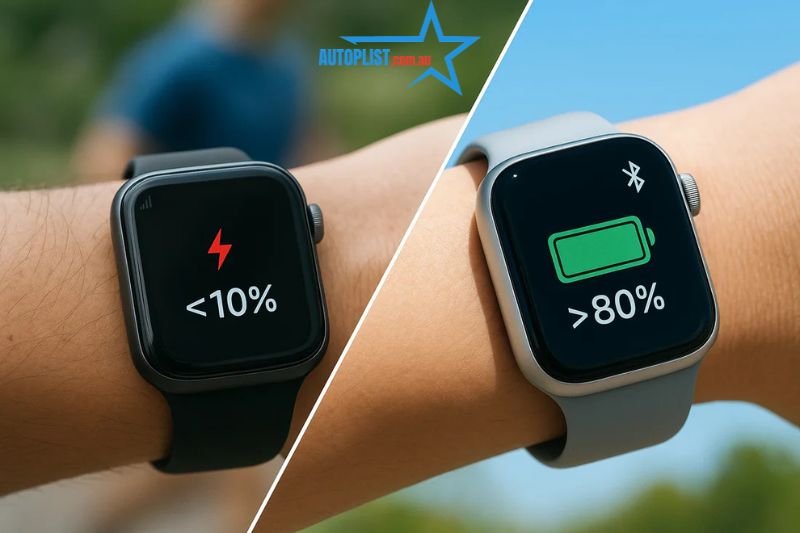
Battery endurance testing
Battery life is measured under both active and standby conditions to reflect real usage patterns. This includes continuous tracking, screen-on time, and background activity to determine how long the device can realistically last between charges.
Charging cycle consistency
We examine how the battery performs after multiple full charging cycles. This helps identify whether the smartwatch maintains stable endurance over time or shows noticeable degradation in capacity and efficiency.
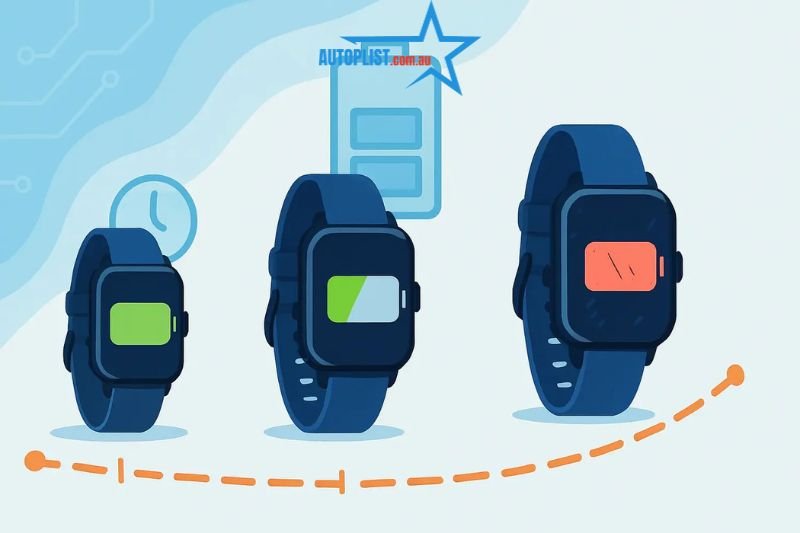
Key factors to consider before buying
Choosing the right smartwatch depends heavily on how you balance performance, features, and battery efficiency. Understanding these key factors helps you avoid overpaying for unnecessary features while still getting strong endurance and usability.
- Display type and power consumption: OLED and AMOLED screens offer better visuals but may consume more power depending on brightness and refresh rate
- GPS and health tracking impact on battery: Continuous GPS and heart-rate monitoring significantly affect overall battery life during workouts and outdoor use
- Fast charging vs ultra-long endurance modes: Some models prioritise quick top-ups, while others focus on extended usage over several days or weeks
- Durability and usage environment: Build quality matters depending on whether you use it for sports, outdoor activities, or office wear
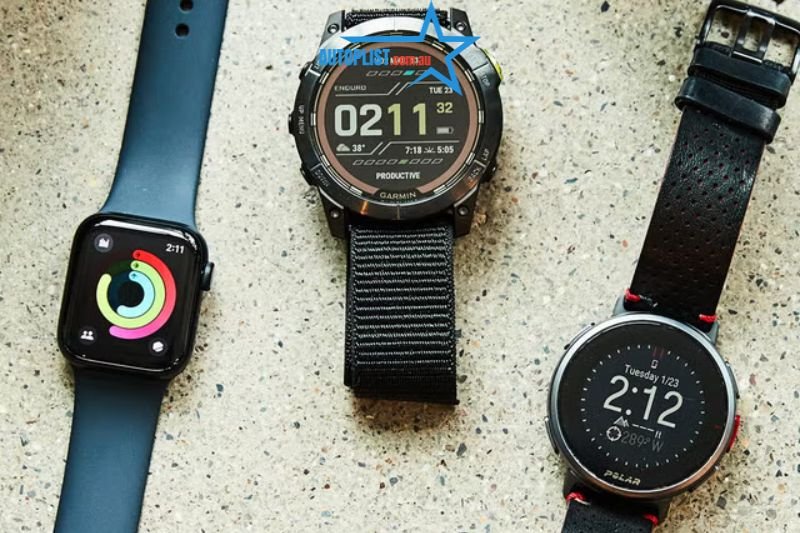
Best long battery smartwatch categories top picks
Smartwatch battery performance varies significantly across different segments, depending on design goals such as premium features, durability, or fitness optimisation. The table below highlights top choices from trusted brands based on real-world endurance and usability.
|
Category |
Brand |
Product |
Key strength |
|
Premium performance models |
Garmin |
Fenix 7 |
Exceptional battery life with advanced outdoor tracking |
|
Premium performance models |
Apple |
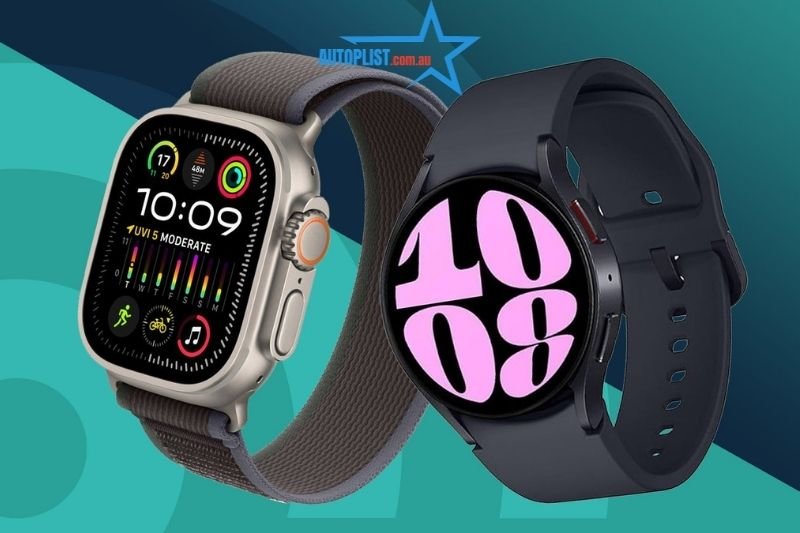
Watch Ultra 2 |
Balanced power efficiency with premium ecosystem features |
|
Premium performance models |
Huawei |
Watch GT 4 |
Strong battery endurance with lightweight OS optimisation |
|
Affordable long battery options |
Amazfit |
GTR 4 |
Long-lasting battery with solid fitness tracking features |
|
Affordable long battery options |
Xiaomi |
Redmi Watch 4 |
Budget-friendly with efficient daily battery usage |
|
Rugged outdoor smartwatches |
Garmin |
Instinct 2 |
Military-grade durability with multi-day battery life |
|
Rugged outdoor smartwatches |
Amazfit |
T-Rex 2 |
Extreme durability with strong outdoor endurance |
|
Fitness-focused models |
Garmin |
Forerunner 255 |
Optimised for training with efficient GPS battery use |
|
Fitness-focused models |
Fitbit |
Charge 6 |
Lightweight fitness tracking with stable battery performance |
Smartwatch battery life comparison overview
Battery life is one of the most important differences between smartwatch categories, ranging from just a few days on feature-rich models to several weeks on optimised or basic designs. Understanding these differences helps users choose a device that matches their daily usage habits.
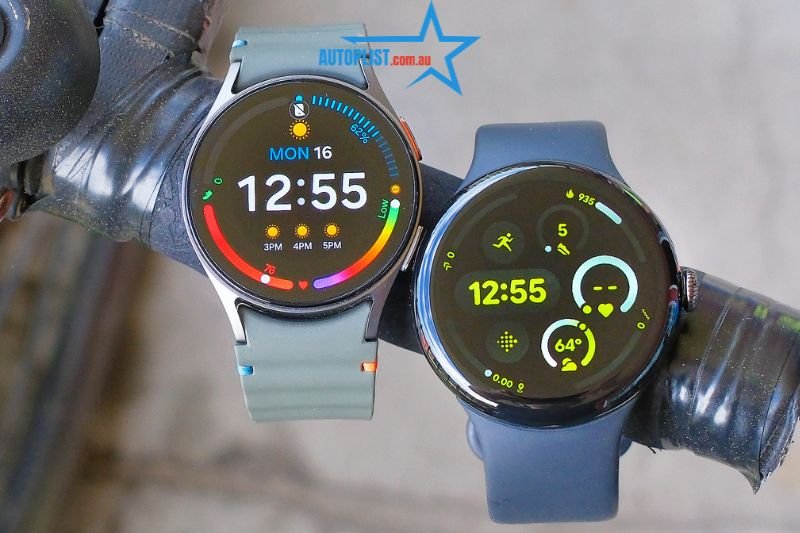
The main trade-off is between advanced smart features and endurance. Devices with always-on displays, GPS, and heavy app usage tend to drain faster, while simplified systems prioritise longer battery life by limiting background processes and visual intensity.
Real user experience insights
Actual user feedback provides a clearer picture of how a smartwatch performs beyond technical specifications. These insights focus on daily convenience, long-term comfort, and real battery behaviour in different usage scenarios.
Daily usage feedback
Users report how often they need to charge the device in real conditions, including daily commuting, fitness tracking, and travel situations. This helps reveal whether advertised battery life matches practical experience.
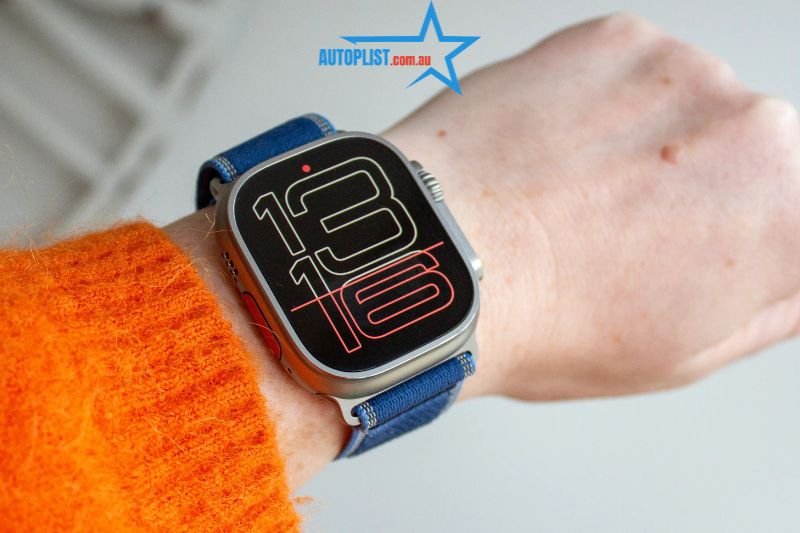
Pros and limitations in long-term wear
Long-term usage highlights comfort, stability, and performance consistency over weeks or months. It also shows potential issues such as reduced battery efficiency or feature limitations after extended use.
Reliability under heavy feature use
This section evaluates how well the smartwatch handles continuous GPS tracking, notifications, and health monitoring. It reflects whether battery life remains stable under intensive, real-world workloads.
Try mystery boxes for smartwatch rewards
Start with the Mystery Boxes category at Cheer, then explore the Samsung Mining box for a chance to win valuable tech rewards and exciting wearable devices.
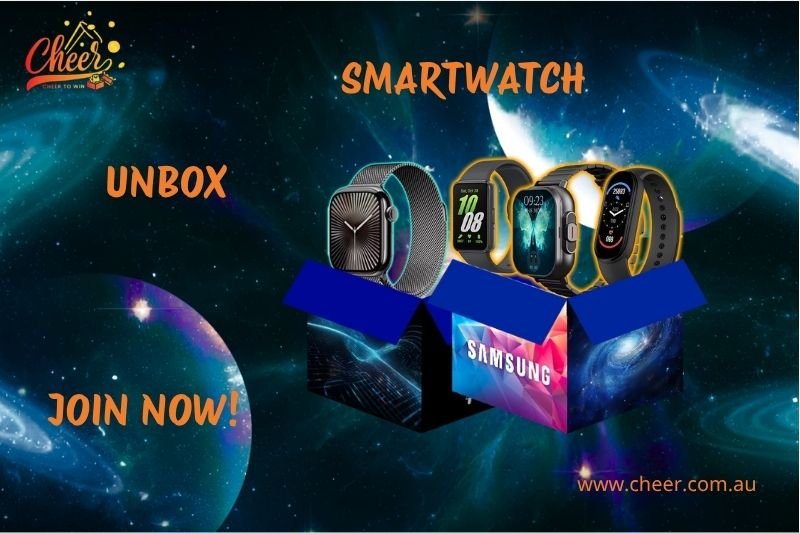
One of the featured prizes is the D8 SMART Bluetooth Headset 2 in 1 2 inch Touch Screen, a smartwatch-style device with decent battery performance and practical features for everyday use.
Conclusion
A long battery smartwatch is best chosen by balancing real-world endurance, essential features, and daily usability rather than focusing only on specs. The most suitable device is the one that fits your lifestyle needs, from fitness to work and travel. With guidance from AU Toplist, you can make a more confident and practical choice for long-term use.