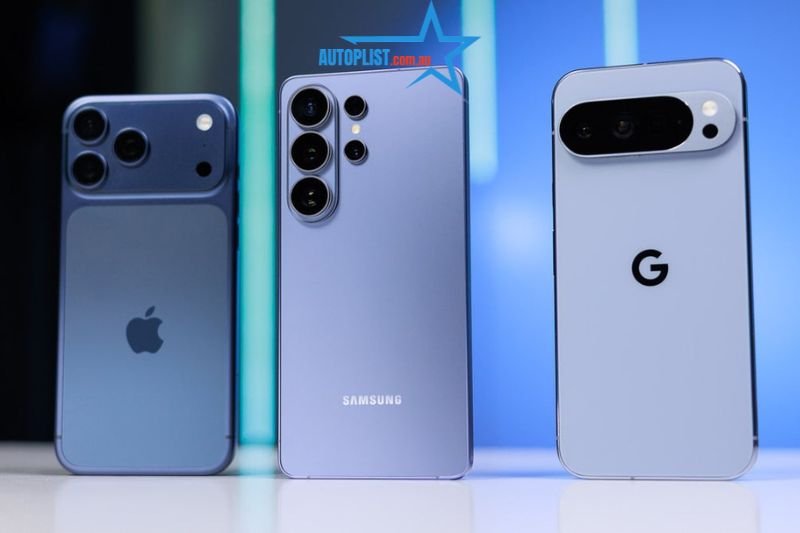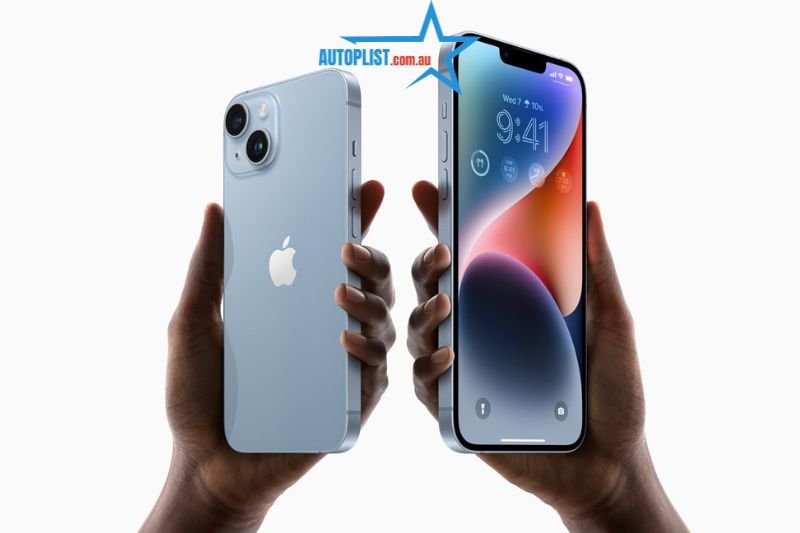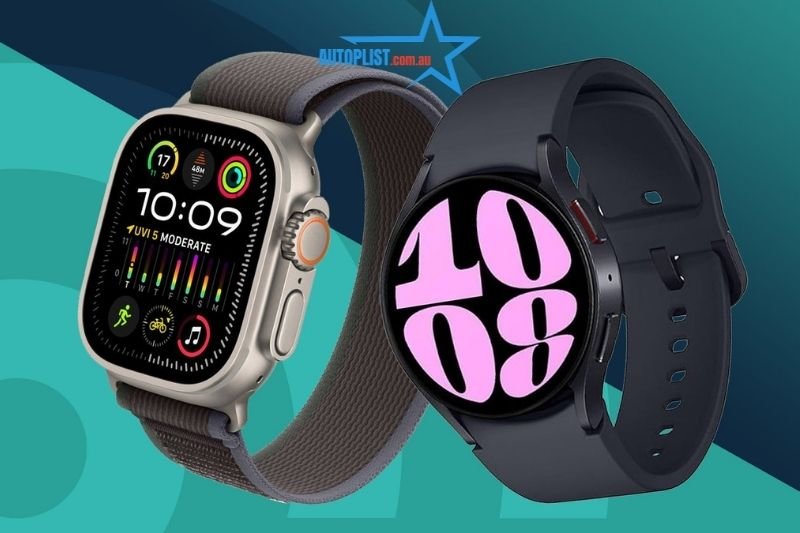
Finding the best camera phone today is no longer just about megapixels, but overall performance, AI processing, and real-world results. In this guide, AU Toplist breaks down the top choices to help you capture stunning photos and videos with confidence.
Why choosing the best camera phone matters
Smartphone photography has evolved rapidly, with modern devices delivering image quality close to traditional cameras in many situations. Advances in sensors, AI processing, and computational photography help users capture sharp, vibrant photos without needing professional gear.
While DSLRs and mirrorless cameras still lead in specialised cases, the gap is narrowing for most users. Choosing the best camera phone is key for content creators, travellers, and social media users who want convenience with consistent photo and video quality.
Key features that define the best camera phone
Understanding what makes the best camera phone helps you choose the right device for your needs. It’s not just about specs, but how hardware and software work together in real use.
Sensor size and megapixels explained
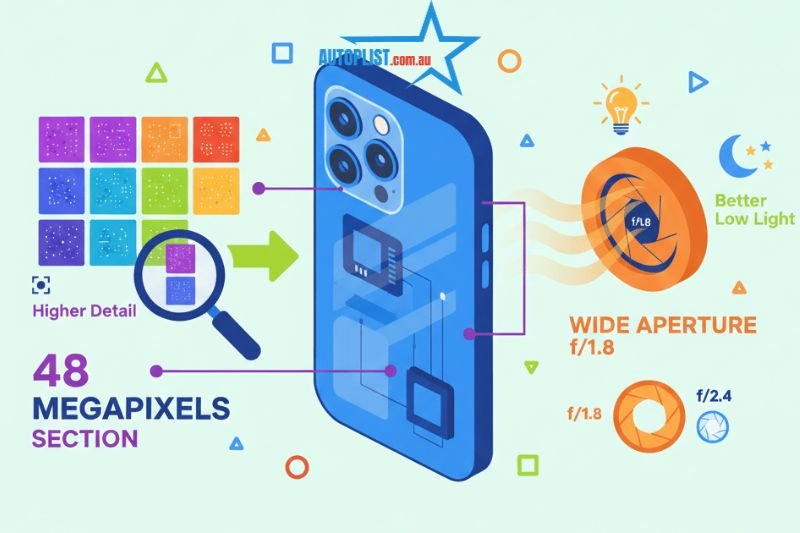
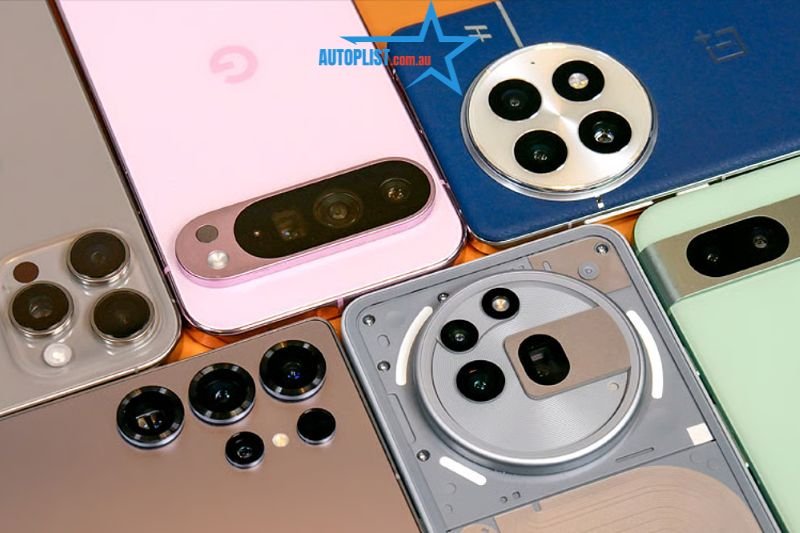
A larger sensor captures more light, which improves detail, dynamic range, and overall image clarity. While high megapixel counts can enhance sharpness, they don’t always guarantee better photos, especially if the sensor is small. Modern phones often use pixel binning to balance resolution and low-light performance.
Aperture, ISO and low-light performance
A wider aperture (lower f-number) allows more light into the lens, making a big difference in night photography. Combined with smart ISO control and noise reduction, top camera phones can produce bright, clean images even in challenging lighting conditions.
AI processing and computational photography
AI plays a crucial role in modern smartphone cameras, handling HDR, scene detection, and real-time optimisation. Computational photography helps merge multiple exposures into one balanced shot, improving colours, contrast, and detail without user effort.
Video capabilities 4K, 8K and stabilisation
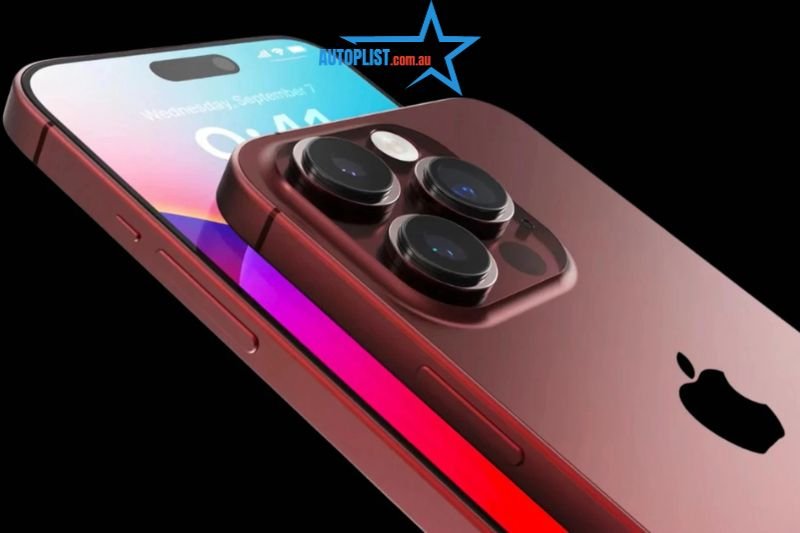
Video performance is just as important as photos, especially for content creators. Features like 4K and 8K recording, optical image stabilisation, and advanced audio capture ensure smooth, professional-looking footage in various shooting conditions.
Best camera phone 2026 top picks reviewed
Here are the top devices that truly stand out when it comes to camera performance. Each model excels in different areas, from photography to video and low-light shooting.
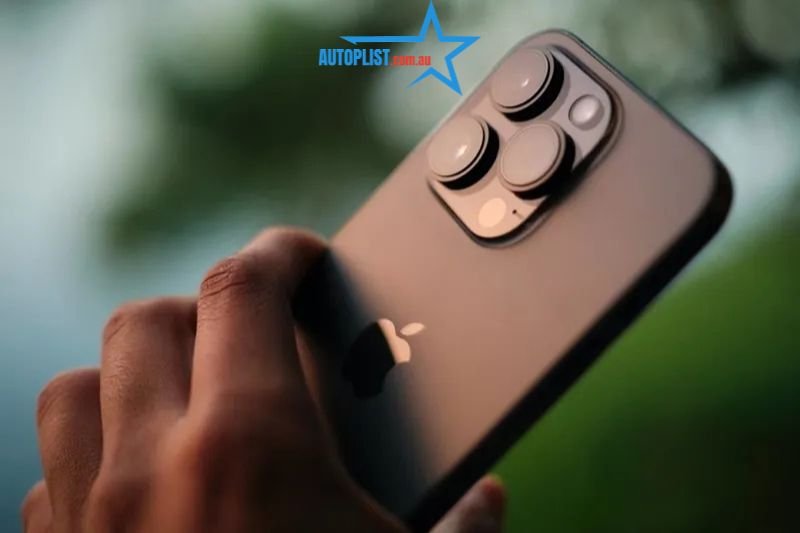
iPhone 15 Pro Max
The iPhone 15 Pro Max delivers consistent results across all shooting conditions, with excellent colour accuracy and dynamic range. Its advanced image processing and reliable video stabilisation make it a top choice for both casual users and professionals.
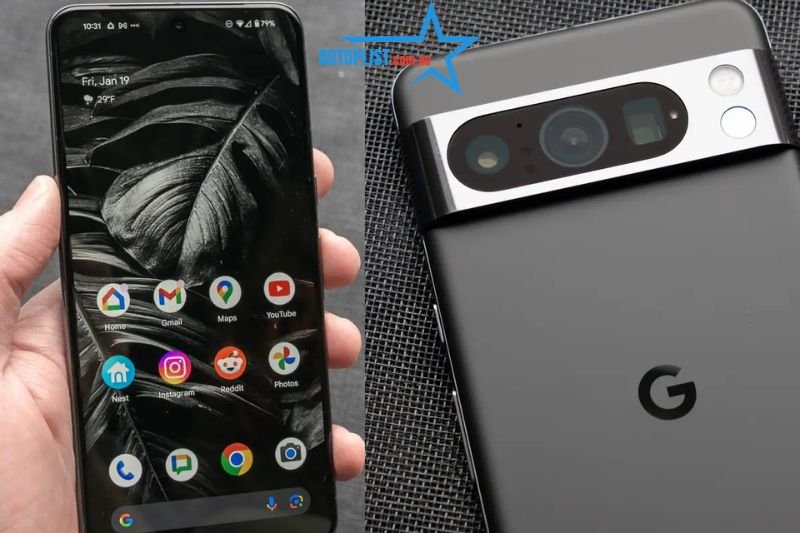
Google Pixel 8 Pro
The Pixel 8 Pro is known for its exceptional night photography, using powerful AI to brighten scenes while preserving natural details. It performs especially well in extremely dark environments without excessive noise.
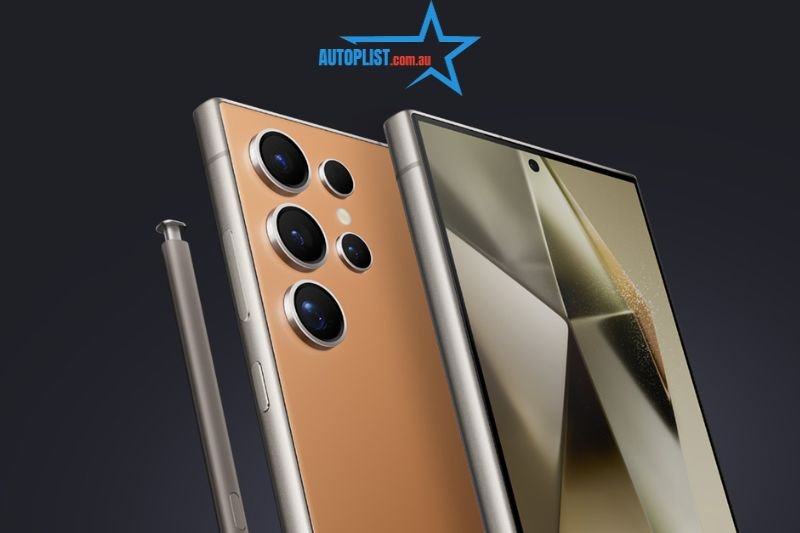
Samsung Galaxy S24 Ultra
Samsung’s Galaxy S24 Ultra offers industry-leading video capabilities, including high-resolution recording and strong stabilisation. It’s ideal for creators who prioritise smooth footage and versatile shooting modes.
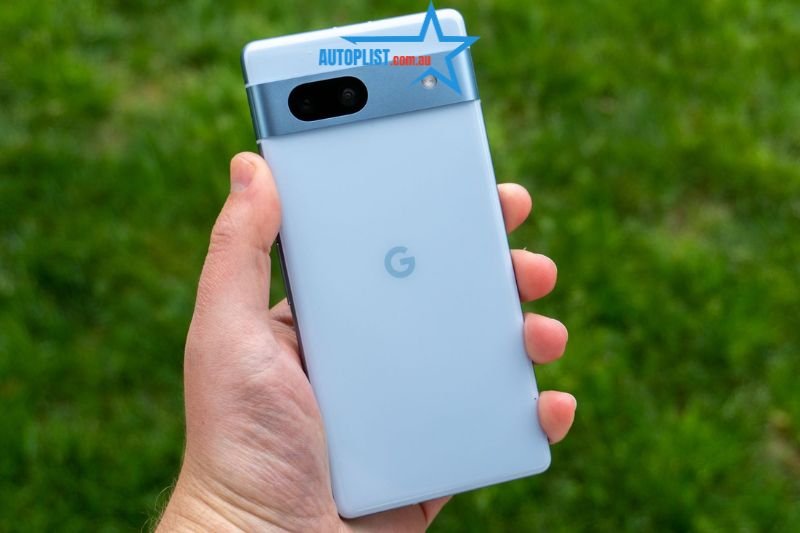
Google Pixel 7a
The Pixel 7a proves you don’t need to spend a fortune to get great photos. It offers strong image processing, accurate colours, and reliable performance, making it a great value option for everyday use.
Real world camera comparison day vs night
To truly find the best camera phone, real-world testing matters more than specs. Below is a side-by-side comparison based on daylight, low light, portrait, and video performance across top flagship devices.
|
Scenario |
iPhone 15 Pro Max |
Google Pixel 8 Pro |
Samsung Galaxy S24 Ultra |
|
Outdoor daylight performance |
Natural colours, excellent dynamic range |
High detail, slightly contrast-heavy |
Vibrant colours, sharp images |
|
Night mode and low light |
Clean images, strong noise control |
Best night mode with AI enhancement |
Bright shots but sometimes over-processed |
|
Portrait and selfie quality |
Best edge detection, realistic skin tones |
Strong detail but edge detection weaker |
Good balance, wide field of view |
|
Video stabilisation and audio |
Industry-leading video, smooth stabilisation |
Good video, strong HDR |
8K video, versatile but less consistent |
In real-world use, each phone excels in different areas: the iPhone leads in video and consistency, Pixel dominates low-light photography, while Samsung stands out with zoom and versatility.
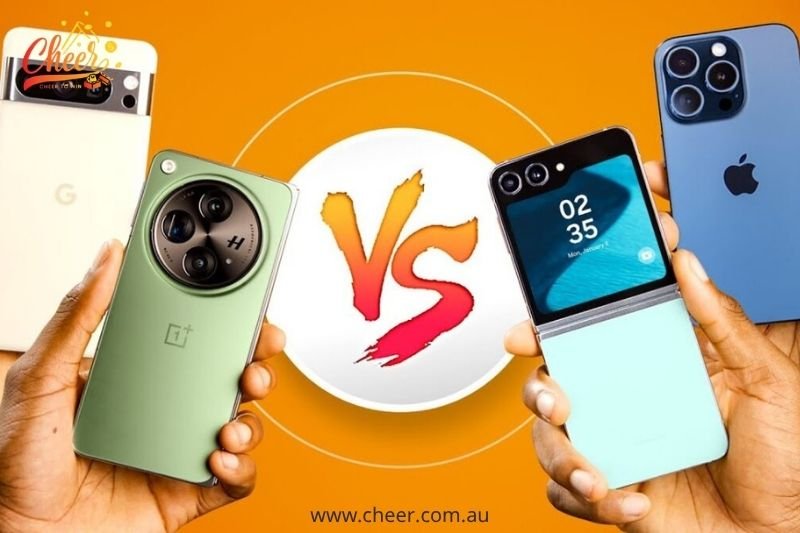
Iphone vs android which has the better camera
Choosing between iPhone and Android depends on how you prioritise image quality, features, and usability. Both platforms offer excellent camera systems, but they differ in processing style and flexibility.
Colour science and image processing
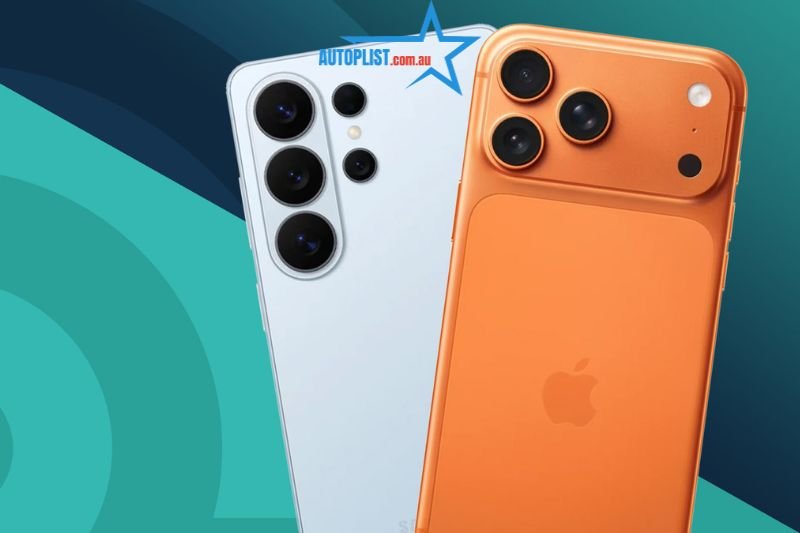
iPhone cameras focus on natural colours and consistent tones, making photos look realistic across different conditions. Android devices, especially from Google and Samsung, often enhance contrast and sharpness using AI, resulting in more vibrant and eye-catching images.
App ecosystem and editing tools
iPhones benefit from a highly optimised app ecosystem, with many professional camera and editing apps performing smoothly. Android offers more variety and flexibility, including advanced manual controls and third-party camera apps with deeper customisation.
Consistency vs flexibility
iPhones are known for consistent results across photos and videos, making them reliable for everyday use. Android phones provide more flexibility with features like zoom ranges, shooting modes, and hardware variety, which appeals to users who want greater creative control.
How to choose the best camera phone for you
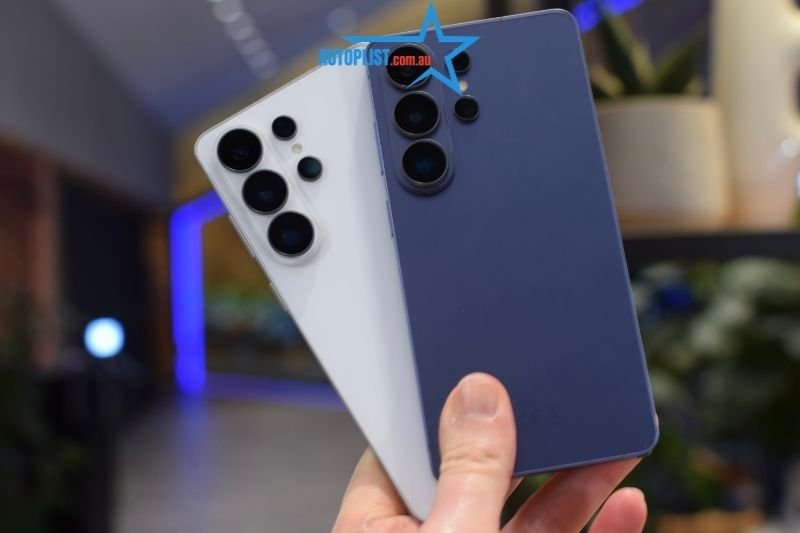
Choosing the best camera phone depends on your actual usage. Focusing on the right needs helps you get better value without overpaying.
- Casual users vs content creators: Casual users should prioritise simplicity and consistent results, while creators need manual controls, strong video quality, and stabilisation
- Travel, social media or professional use: Travellers need versatile lenses and battery life, social users benefit from HDR and selfie quality, professionals should look for RAW support and editing flexibility
- Budget considerations and value: Flagship phones deliver top performance, but many mid-range options now offer excellent camera quality for everyday use
Discover the best camera phone deals with Cheer
Explore more ways to get your hands on the best camera phone by joining Cheer and starting with the Mystery Boxes category. Try your luck with boxes like Samsung Mining or Apple Boom for a chance to win valuable rewards, including top iPhone or Android devices with outstanding camera performance and more exciting prizes.
Conclusion
Choosing the best camera phone depends on your needs and budget, but the right device will deliver excellent photo and video quality in any situation. With expert insights from AU Toplist, you can confidently find the perfect smartphone for your photography style.